

Quick Summary
- Many flooring installers will move furniture, usually for an added fee, but most expect you to clear out closets and handle electronics and fragile pieces yourself.
- Prep starts before install day, with ordering enough material and giving some flooring types time to adjust to your home.
- Floating floors like click-lock LVP and laminate are the most DIY-friendly, while tile and hardwood refinishing usually call for a pro.
- A portable storage container keeps your furniture close and out of the way until the new floors are ready.
Many flooring installers will move furniture for an added fee, but most won't handle every piece. They'll also expect you to clear out smaller items before they arrive, so you'll still need a plan for prepping your home and storing your furniture during the project. Here's how to get ready for new floors, including what changes if you're installing them yourself.
Should You Repair or Replace Your Flooring?
Before you schedule an install, make sure new floors are the right call. Solid hardwood can usually be refinished several times over its life to remove scratches and fading, as long as the planks are still thick enough to sand. Engineered wood has a thinner top layer, so it may only handle one or two refinishes before it needs to be replaced.
Replacement usually makes more sense when hardwood is badly warped or water-damaged, or when carpet has matted fibers and odors that won't come out. Tile with widespread cracks or a damaged subfloor underneath typically needs to be replaced as well. If you're planning new floors as part of a bigger update, our look at 2026 renovation trends can help you settle on a style.
Do Flooring Installers Move Furniture?
Many flooring installers will move furniture as part of the job, though it's usually an added charge. Policies vary between companies, and most have a list of items they won't move. Electronics and pianos are common exclusions, along with heavy or fragile pieces like safes and china cabinets. Installers also typically expect closets and shelves to be emptied before they arrive, since they're only moving the furniture itself.
When you collect quotes, ask each company what their furniture policy covers and get the answer in writing. Knowing which pieces you'll need to move yourself makes it easier to plan the rest of your prep.
How to Prepare for Flooring Installation
Before Install Day
Confirm your measurements with the installer and order a little extra material to cover cuts and mistakes. Many wood and some vinyl products also need to sit in your home for a period before installation so they can adjust to its temperature and humidity. Follow the manufacturer's instructions for how long your flooring needs to sit.
Clearing the Rooms
Empty any closets that are getting new flooring, and take down wall hangings or fragile decor in the work area, since installation can shake things loose. If the project includes the kitchen or laundry room, the appliances will need to be disconnected and moved. Our guide to preparing furniture and appliances for a DIY move covers how to do that safely. Ask your installer whether they'll remove and reinstall the baseboards, since many projects include that step.
Living at Home During the Project
Flooring installation creates dust, and some adhesives and finishes give off strong fumes, so plan to keep pets and kids out of the work area. It also helps to decide ahead of time which rooms will stay usable and to keep a clear path from the front door to the work area for the crew.
DIY Friendly Flooring: Can I Install Flooring Myself?
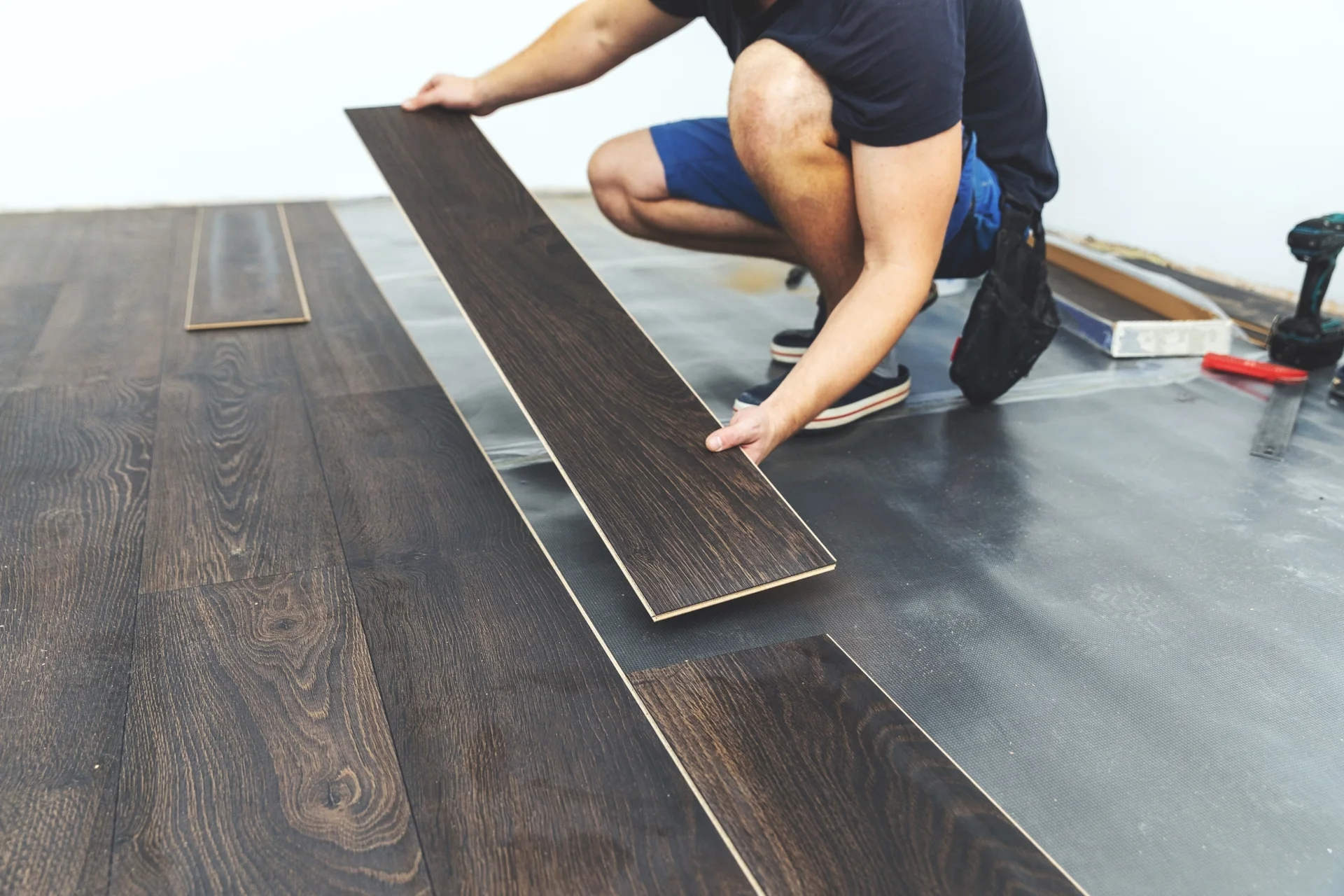
Plenty of homeowners can install their own floors, especially floating floors like click-lock LVP and laminate. These floors lock together and sit on top of the subfloor without glue or nails, so they don't take much experience or many specialized tools. Tile and glue-down installs are harder to get right, and most homeowners hire a pro for those.
| Flooring type | DIY difficulty | Why |
|---|---|---|
| Click-lock LVP | Beginner-friendly | Planks snap together and float over the subfloor |
| Laminate | Beginner-friendly | Floating install, but cuts need a saw |
| Floating engineered wood | Moderate | Easier than solid hardwood, but less forgiving than LVP |
| Carpet | Hard | Stretching carpet takes specialized tools |
| Tile | Hard | Requires subfloor prep, mortar, grout, and curing time |
| Solid hardwood | Hard | Nail-down install and finishing take experience |
Keep in mind that DIY projects usually take longer than a professional install. Many homeowners work room by room over several weekends, which means furniture stays out of place for longer. DIYers also handle the tear-out themselves, so plan for how to get rid of the old carpet or flooring.
What to Do With Furniture When Getting New Flooring
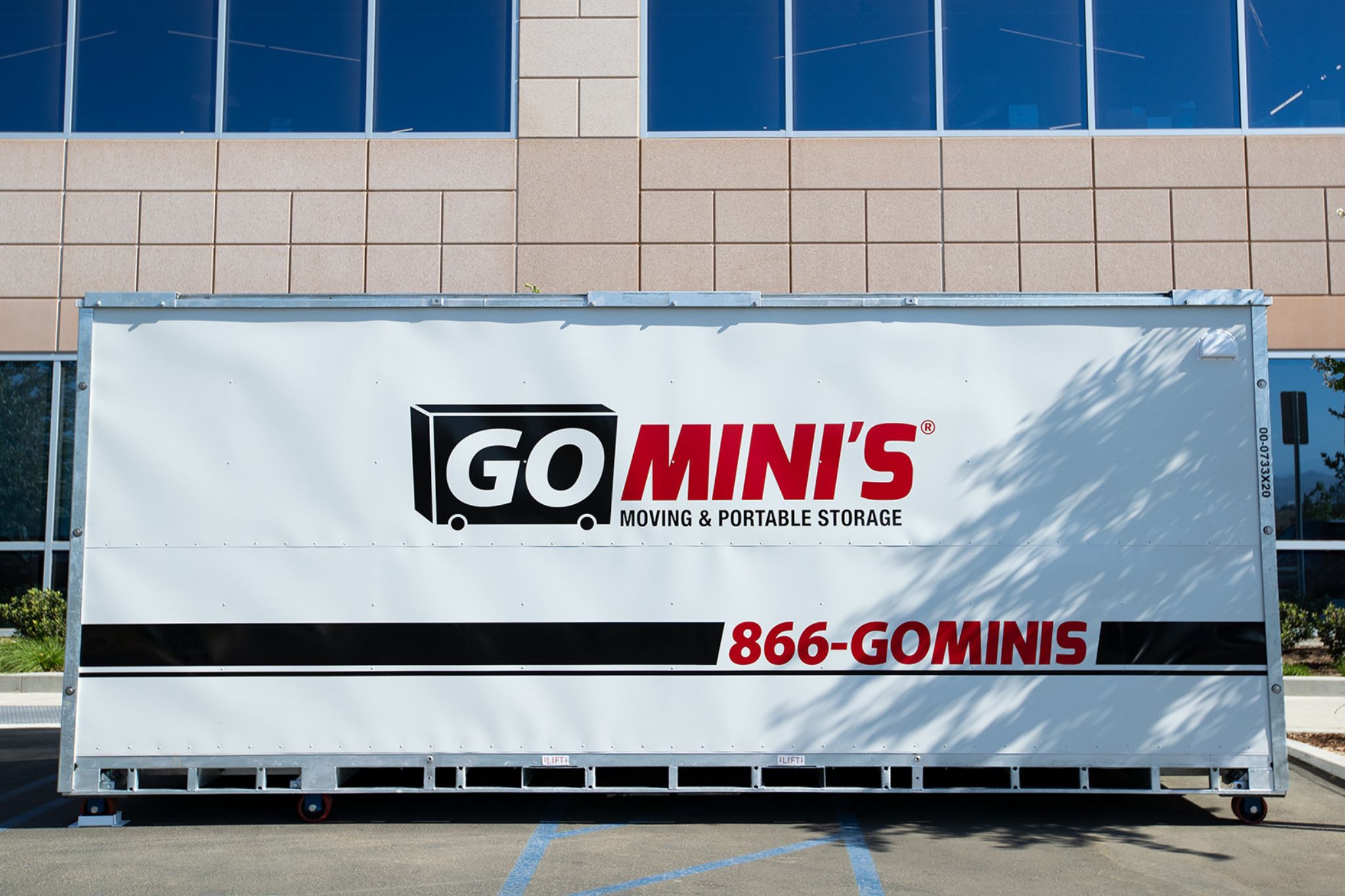
Stacking furniture in rooms that aren't getting new floors can make your home hard to live in, and it puts your pieces at risk of scratches and dings as people squeeze past them. A Go Mini's portable container gives your furniture a place to go without leaving your property. We'll deliver it right to your home so you can store at your location, and ground-level access makes loading heavy pieces much easier.
You set the pace with flexible delivery and pick-up, which helps if your install date shifts or a DIY project takes a few extra weekends. If you'd rather not keep the container at your home, we can store it at our facility until your floors are ready. Check our container sizes to find the right fit for the number of rooms you're clearing, and if you want help getting everything inside, ask about packing and loading assistance.
After Installation: Moving Furniture Back
Cure times depend on the type of flooring and any adhesive or finish, so check with your installer or the manufacturer before you bring furniture back in. Put felt pads on furniture legs, and lift heavy pieces into place instead of dragging them across the new floors. Our tips on renovation mistakes to avoid cover a few more ways to keep your project on track.
Get Portable Storage for Your Flooring Project
A flooring project means emptying rooms you still have to live around, and your furniture needs somewhere to go in the meantime. Go Mini's of Augusta can bring a portable container right to your home so your belongings stay close and protected until your new floors are ready. Get your free instant quote today.
Frequently Asked Questions
Do flooring companies move furniture for you?
Many flooring companies will move furniture for an added fee, but policies vary. Most won't move electronics or fragile pieces like china cabinets, and they expect closets and shelves to be emptied ahead of time. Ask for the company's furniture policy in writing when you get your quote.
How long does flooring installation take?
It depends on the size of the space and the type of flooring. A single room of floating floor can often be finished in a day, while tile or larger projects can take several days. DIY projects usually take longer than a professional install, so build extra time into your plan.
Can carpet be installed without moving furniture?
In most cases, the furniture needs to come out. Installers need the floor clear to lay padding and stretch the carpet to the walls. Some installers will shift pieces for an added fee, so check their policy and plan where your furniture will go until the job is done.
When can I put furniture on refinished hardwood floors?
It depends on the finish. Water-based finishes generally cure faster than oil-based ones, but cure times vary by product, so ask your refinisher for a specific timeline. When you move furniture back, add felt pads to the legs and lift pieces into place instead of sliding them.
Can you DIY LVP flooring?
Yes. Click-lock LVP is one of the more DIY-friendly options, since the planks snap together and float over the subfloor. The subfloor needs to be clean and level first, and you'll want to follow the manufacturer's installation instructions closely, since some warranties depend on it.
Do I need to be home during flooring installation?
You usually don't need to be home for the whole job, but it helps to be there at the start to walk the crew through the space and at the end to check the finished floors. Plan to keep pets and kids away from the work area while installation is underway.