

Quick Summary
- Hire Your Own Inspector: City and county inspections confirm a new home meets minimum building code. An independent inspector works for you and checks the quality of the work.
- Plan Around the Phases: Inspectors can check the house before the foundation pour, before drywall, before closing, and again at 11 months, while the builder's warranty still covers repairs.
- Use Blue Tape Day Well: Mark every flaw with painter's tape during the builder walkthrough so each one makes it onto the written punch list.
- Keep Your Move Flexible: Builders often need extra time to finish. A Go Mini's container can sit in your driveway or at our secure facility until your new house is ready.
Watching a new house go up is exciting. If you're building in one of the new neighborhoods going up around Grovetown and Evans or over in North Augusta, you probably drive by on weekends to check on the framing, and you've already decided where the couch is going in the living room. With everything brand new, it's easy to assume there's nothing left to inspect.
But new homes can still have problems. Builders work on tight schedules with lots of different subcontractors, and a rushed crew can close up a wall before anyone notices missing insulation or a loose duct connection. A new construction home inspection puts an independent set of eyes on the house before those issues end up behind drywall or become your problem at closing.
Let's walk through each inspection phase and the blue tape walkthrough, then look at how to plan your move if the builder needs more time to finish.
Do You Need a Home Inspection on New Construction?
Yes. Your city or county building department inspects a new home at several points during construction, but those inspectors are there to confirm the house meets local building codes. Code is the minimum standard. An independent inspector you hire works only for you, and they look at the quality of the workmanship along with code compliance.
That second set of eyes helps because builders are under pressure to finish homes quickly. A single house passes through the hands of framers, plumbers, electricians, roofers, and HVAC installers, and each crew is usually trying to get to the next job. Inspectors who work on new builds commonly find issues like missing insulation and small plumbing leaks that can turn into expensive repairs later.
In a 2022 survey of new construction buyers, nearly 9 in 10 said their new home needed maintenance sooner than they planned for. The problems they reported most often involved the electrical, plumbing, HVAC, flooring, foundation, and drywall.
Source: Real Estate Witch survey (2022), as cited by Redfin
New Construction Inspection Phases
Most inspectors split a new build into phases so they can see each part of the house before the next stage of work covers it up. If you're building from the ground up, you can schedule all four. If you're buying a spec home that the builder already finished, you'll start with the final inspection.
| Phase | When to Schedule It | What the Inspector Checks |
|---|---|---|
| 1. Pre-pour (foundation) | Right before the crew pours the concrete, usually a window of one or two days | Footing depth, rebar placement, plumbing stub-outs, soil compaction, and drainage under the slab |
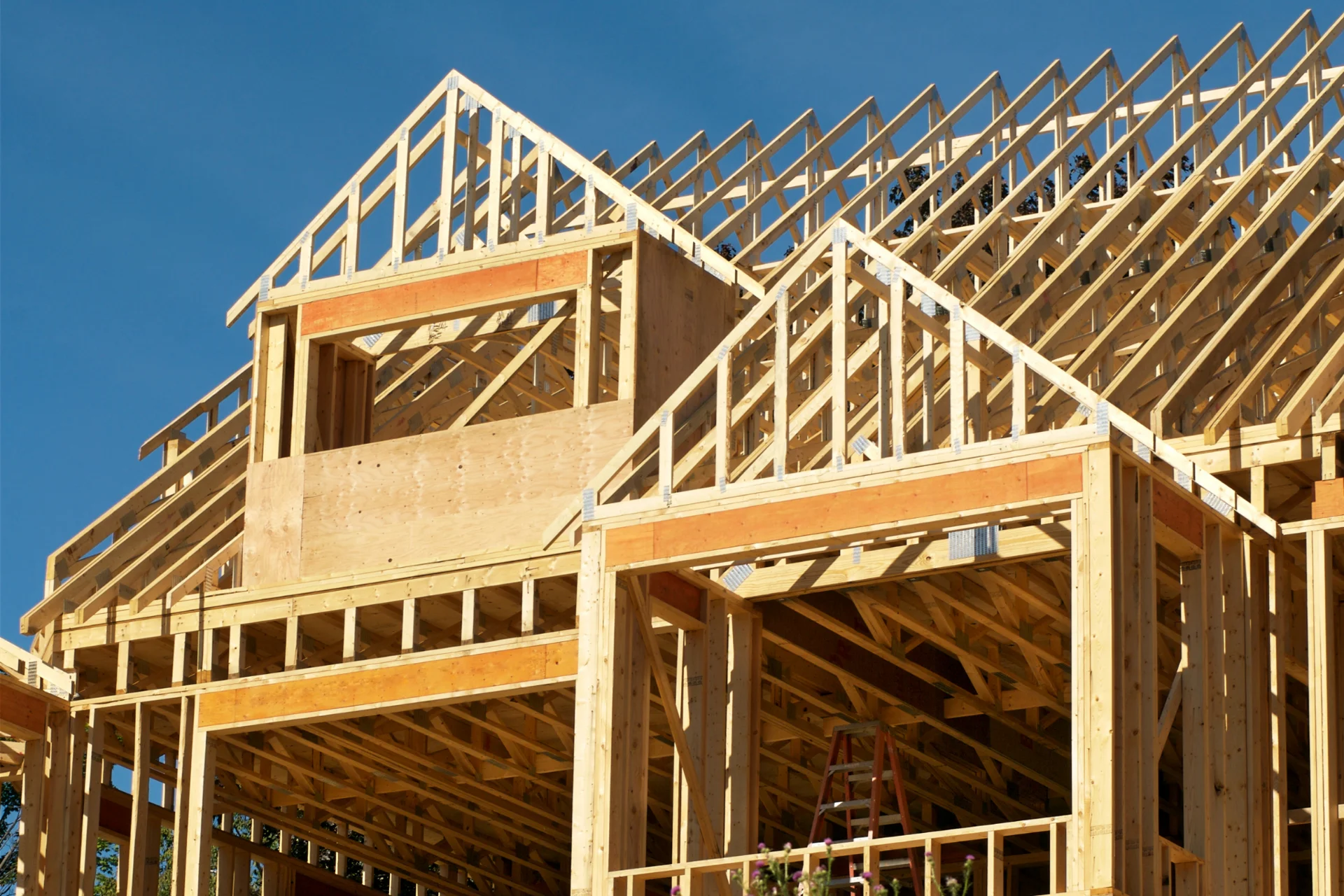
| 2. Pre-drywall | After the framing and mechanical rough-ins are in, but before insulation and drywall | Framing and structural connectors, plumbing and electrical rough-ins, ductwork, roof structure, and fire blocking |
| 3. Final | When the house is nearly finished, before your blue tape walkthrough and closing | HVAC, plumbing, electrical, appliances, roofing, grading, and interior finishes |
| 4. 11-month warranty | About 10 to 11 months after move-in, before the builder's warranty runs out | Cracks from settling, new leaks, drainage problems after seasonal rain, and wear on HVAC or plumbing equipment |
Book your inspector before construction starts and send them the builder's schedule so they can pencil in dates. The pre-pour window is short, and once the crew pours the slab, your inspector can't see the footings anymore. Read your purchase contract closely, too, since some builders ask for advance notice or limit when outside inspectors can visit the site.
- Each phase: about $100 to $500
- Full three- or four-phase package: about $800 to $2,000
- Single inspection on a finished spec home: about $300 to $500, with larger homes running $600 or more
- What moves the price: the size of the home and the number of phases you book (some inspectors discount the full package if you book it upfront)
Source: Redfin
What Is a Blue Tape Walkthrough?
A blue tape walkthrough is your tour of the finished house with the builder's representative, usually the construction supervisor or community superintendent, before you close. As you go room by room, you stick a piece of blue painter's tape on every flaw you find. A scuffed wall gets a piece of tape, and so does a cabinet door that won't close all the way.
This walkthrough is separate from your independent final inspection. Your inspector focuses on the home's systems and safety, while the blue tape walkthrough leans toward finishes and cosmetic details. Try to schedule the inspection first so you can bring the report with you and add the inspector's findings to the builder's list.
A little prep helps you make good use of the time:
- Bring your own tape. The builder's rep will probably have a roll, but having your own lets you mark spots as you find them.
- Take photos as you go. Snap a picture of each taped spot so you have a record if a piece of tape falls off before the repair crew arrives.
- Test everything you can. Open every window and run each faucet until the water gets hot.
- Bring a second set of eyes. Your agent or a friend who knows construction will catch things you walk right past.
- Give it time. Plan on a couple of hours, and don't let anyone hurry you through the last few rooms.
- Exterior: Check the siding and trim for gaps, and look for low spots in the yard where water could pool near the foundation.
- Doors and windows: Make sure each one opens and locks smoothly, and feel around the edges for drafts.
- Walls and ceilings: Look for drywall cracks and spots where the paint doesn't match the rest of the wall.
- Floors: Walk every room listening for squeaks, and check hard flooring for scratches or gaps.
- Plumbing: Run every faucet and shower, and look under each sink for drips.
- Electrical: Test each outlet and switch, and make sure the GFCI outlets in the kitchen and bathrooms reset.
- HVAC: Run both the heat and the AC, and hold your hand up to each vent to confirm air is coming out.
- Appliances: Turn each one on, and confirm the builder left the manuals and warranty paperwork.
How the New Construction Punch List Works
After the walkthrough, the builder puts every taped item on the new construction punch list. That’s the written list of repairs the builder agrees to finish before closing or shortly after. Anything your independent inspector flagged in the final inspection belongs on that list too.
Most punch list items are small, but small repairs can take weeks when the builder's crews are spread across other homes in the neighborhood. A few habits help you stay on top of it:
- Get the list in writing. Ask for a signed copy of the punch list with a target date for each item.
- Follow up by email. After any phone call or site visit with the builder, send a short recap of what they agreed to fix and when.
- Put safety items first. Builders tend to move faster on safety and structural problems, so lead with those when you discuss the list.
- Ask for proof. Request photos of finished repairs, or walk the house again to check them yourself.
If the builder can't finish major items before closing, ask your agent about an escrow holdback. With a holdback, the escrow agent keeps part of the funds until the builder completes the repairs listed in the agreement.
How long the builder has to finish punch list items depends on your contract, so check it before closing. Anything you find after you move in usually goes through the builder's warranty claim process instead.
Planning Your Move Around the Builder's Timeline
Moving into a new build doesn't always happen on the first date the builder gives you. The builder may push closing back when rain stalls the work or materials show up late. Meanwhile, your landlord still expects you out at the end of your lease, and the buyers of your old house still want their keys on closing day.
Where to Live While Building a House
If you end up with a gap between move-out and move-in, you'll need some form of temporary housing while building a house. Plenty of families stay with relatives for a few weeks, while others book a furnished short-term rental near the new neighborhood.
The harder question is where your furniture goes. A spare bedroom at your parents' house won't fit a dining table and a sectional, and a furnished rental doesn't have room for any of it.
Store Your Belongings With Go Mini's
A portable storage container lets you pack once and unload once, no matter how many times the builder moves your closing date. Here's how it works with Go Mini's of Augusta:
- We drop off a container at your current home, and you pack it on your own schedule.
- When you move out, we pick up the loaded container and store it at our secure local facility.
- Once you close, we deliver the container right to your new driveway.
- If the builder is still finishing floors or paint, you can keep the container in the driveway and unload one room at a time as the crews wrap up.
Our rentals run month to month, so a few extra weeks of delay won't lock you into a long contract. If your new neighborhood has an HOA, check its rules on portable containers before you schedule delivery.
If you'd rather hand off the heavy lifting entirely, our sister company ADSI Moving Systems offers full-service moves with storage in transit for gap weeks when closing dates don't line up.
A new build can look spotless on closing day and still have drywall dust tucked on top of door frames and inside the cabinet boxes. Once you start running the HVAC, the system pushes dust out of the ductwork and spreads it over surfaces you already wiped, so you may keep finding it for several weeks after you move in.
Before the furniture comes in, set aside a day to get ahead of it:
- Swap out the HVAC filter the week you move in, then change it again after about a month.
- Vacuum with a HEPA filter before you wipe anything down, since dry dusting just moves the dust around.
- Wipe the cabinet and pantry interiors with a damp microfiber cloth before you unpack a single dish.
- Pull the vent covers off and wash them.
Our new construction move in checklist walks through the full cleaning plan room by room.
Keep Your Move on Track With Go Mini's
Builders often need more time than their first estimate, and your lease end date won’t move to match. Go Mini's of Augusta can store your belongings safely in the meantime, then deliver them right to your new driveway when the house is ready.
Get a free quote from Go Mini's of Augusta and plan your storage around the builder's timeline.
Frequently Asked Questions About New Construction Home Inspections
What are the biggest red flags in a home inspection?
Structural problems tend to be the most serious findings, like cracks in the foundation or framing that isn't level. Water getting into the house is another big one, along with electrical problems that could create a safety hazard. On a new build, raise any of these with the builder right away, since they're much easier to fix before closing than after.
What should I look for in a new construction inspection?
Your inspector handles the technical checks on the foundation, framing, roof, and major systems, so your job is to walk the house with them and ask about anything that looks unfinished. During the blue tape walkthrough, you'll focus more on finishes and fixtures, and the final walkthrough checklist above covers what to test in each part of the house.
How far out from closing can I schedule a home inspection on a new construction build?
Book your inspector as early as you can, ideally before construction starts, since inspectors fill up during busy building seasons. Schedule the final inspection for when the house is nearly finished and the utilities are on so the inspector can test the systems. Leave enough time before closing for the builder to fix what the inspector finds, and try to have the report in hand before your blue tape walkthrough.
How much does a house inspector typically cost?
A single inspection on a finished new home typically costs $300 to $500, and larger homes can run $600 or more. If you're building and want an inspection at each phase, a full package usually costs $800 to $2,000 total.
Can I move in before the punch list is finished?
In many cases, yes. Once you close, the builder can schedule the remaining repairs after you move in. Get the unfinished items and their target dates in writing before closing, and plan your unpacking around the crews who still need to get inside. A container in the driveway helps here, since you can unload each room after the builder finishes it.
How long does a builder have to fix punch list items?
It depends on your purchase contract, so read it before you sign the punch list and ask for target dates in writing. Problems you find after closing usually go through the builder's warranty process instead.