


Quick Summary
- What It Is: A mother-in-law suite is a private living space inside or next to your home, with at least a bedroom and a bathroom your parent can call their own.
- Your Options: Converting a spare bedroom costs the least, and the price climbs as you move toward a garage conversion or a separate backyard unit.
- Safety Updates: Grab bars and better lighting lower your parent's fall risk without a full remodel.
- Room for Everything: A Go Mini's container keeps your furniture out of the way during construction and gives your parent's extra belongings a secure place to stay after they move in.
At some point, the weekly phone call with your parent starts to include more worries than updates. Maybe your mom mentioned a close call on the stairs, or your dad has stopped driving after dark. Once you start wondering whether they should move in with you, the first practical question is where they’d live in your house.
A mother-in-law suite lets your parent keep their own space and routine while you stay close enough to help when they need it. For many families, it’s what makes multigenerational living work long term.
The good news is that you have more options than you might think, and most of them work with the house you already have. Here are some of the most common in-law suite ideas, along with a few ways to make the space safer for an older parent.
What Is an In-Law Suite?
An in-law suite, also called a mother-in-law suite, is a self-contained living area on the same property as a single-family home, set up so a relative can live with the family while keeping some independence. Zoning codes usually call it an accessory dwelling unit (ADU).
At minimum, an in-law suite has a bedroom and a private bathroom. Many families add a small sitting area or a kitchenette so their parent can make coffee or heat up lunch without needing to walk to the main kitchen. The goal is a space where your parent can live their own routine while you're a few steps away.
Should You Move Your Parent In With You?
Before you start pricing out a garage conversion, sit down with your parent and the rest of your family to talk through whether living together makes sense. Moving a parent in with you works best when everyone agrees on what the arrangement looks like before move-in day.
Start with how much help your parent needs. If they mostly need rides to appointments and a hand with groceries, living with you can work well. If they need help bathing or someone with them around the clock, in-home care or an assisted living community may serve them better. If assisted living turns out to be the better fit, read our sister company's guide to moving a parent to assisted living.
Next, take an honest look at your house. Do you have a bedroom on the ground floor? Can your parent reach a bathroom without climbing stairs? Talk with your partner and kids, since moving parents in with you changes everyone's routine. It's much easier to settle questions like who cooks dinner and how much time your parent wants with the family before everyone is living under one roof.
Mother-in-Law Suite Ideas
The right setup depends on your budget and how much privacy your parent wants. Here are four common options, starting with the simplest. The cost ranges below come from Block Renovation's national estimates, so local prices may run higher or lower.
Convert a Spare Bedroom
If you already have a bedroom on the main floor, you're most of the way there. A spare bedroom conversion typically runs $10,000 to $40,000 and comes with the shortest project timeline, especially when plumbing is already close by. The bathroom is usually the biggest expense, so a room next to an existing bathroom keeps your costs down.
Finish the Basement
A basement gives your parent more square footage and more separation from the household. Expect to spend about $20,000 to $60,000, and plan to fix any moisture problems first. The bigger question is stairs. If your basement doesn't have a walkout entrance, think about whether your parent can handle those steps safely five or ten years from now.
Convert the Garage
A garage conversion gives your parent a space that feels separate from the main house, and the ground-level entry is easy on aging knees. Garage conversions typically cost $40,000 to $75,000. You'll give up parking and storage space, though, so you'll need a plan for your cars and everything currently stacked along the garage walls.
Build a Detached Unit
A backyard cottage gives your parent the most independence, with their own front door and often a full kitchen. A detached ADU usually costs $100,000 to $400,000, and it takes the longest since you're building a small house on your lot. Some families see it as a long-term investment, because the unit can house another relative down the road.
Garage conversions and detached units almost always need permits, and some neighborhoods limit accessory dwellings through zoning or HOA restrictions. Call your city or county planning office before you hire a contractor so you know what your lot allows.
Home Modifications for Elderly Parents
About one in four adults age 65 and older report falling each year, according to the CDC. A few home modifications for elderly parents can lower that risk, and most of them cost far less than the suite itself. If your parent has already made aging in place modifications to their current house, ask them what has worked well so you can repeat it in the new space.
Grab bars: Install grab bars next to the toilet and inside the shower. Have your contractor anchor them into the wall studs, since a towel bar won't support an adult's weight.
Lighting: Older eyes need more light to judge steps and edges. Put nightlights along the path from the bed to the bathroom, and place light switches where your parent can reach them right from the doorway.
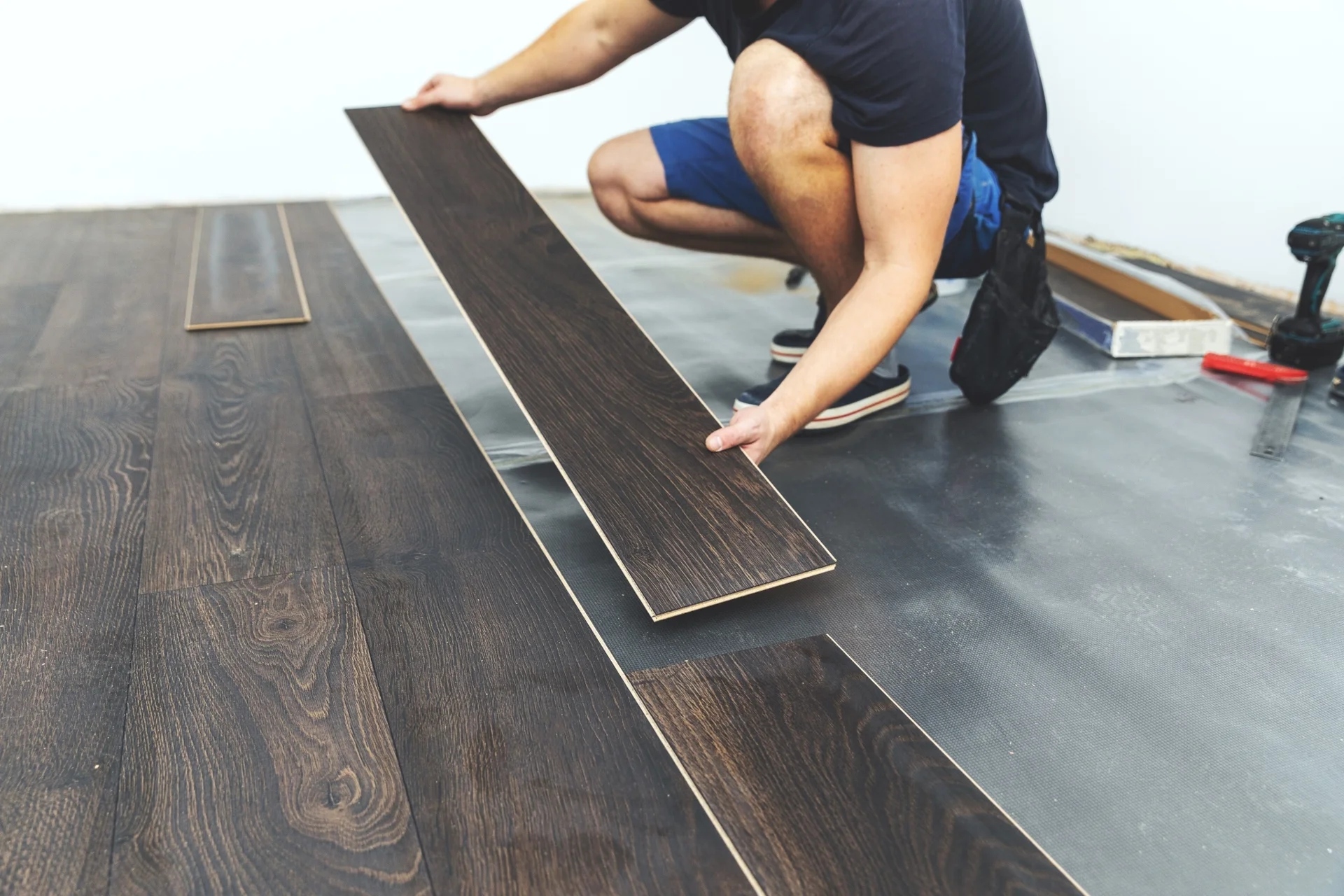
Flooring: Pull up area rugs that slide or curl at the corners. If you're installing new floors, choose a slip-resistant surface like luxury vinyl plank instead of polished tile.
Doorways and showers: Standard interior doors can be too narrow for a walker or wheelchair. Widening the doorways in the suite now saves you a second renovation later, and a curbless walk-in shower with a built-in bench is much safer than stepping over a tub wall.
- Grab bars beside the toilet and in the shower
- Nonslip flooring or mats in the bathroom
- Nightlights between the bedroom and bathroom
- Handrails on both sides of any stairs
- Lever-style door handles instead of round knobs
- Smoke and carbon monoxide detectors inside the suite
- Chairs and a bed at a height your parent can get up from easily
What to Do With Your Parent's Belongings
Your parent probably has a full house of furniture, and your home already has its own. Combining households means making some hard choices about what comes along and what finds a new owner.
Start by measuring the suite and sketching where your parent's bed and favorite recliner will go. Anything your parent isn’t ready to part with can go into storage until the suite is finished and they’ve had time to process.
Let your parent decide what comes with them whenever possible, so the new space feels like theirs from day one. Our downsizing tips for empty nesters walk through the sorting process room by room.
Plan Around the House Sale
Try to line up the listing date with your construction schedule before the house goes on the market. If the suite still needs a few more months of work, your parent can move their furniture into storage and let buyers walk through an empty house. Their real estate agent can help you figure out which order makes the most sense for their market.
Plan Moving Day
Schedule the move for after your contractor wraps up and any required inspections are done. Set up the suite before your parent arrives by making the bed and stocking the bathroom, so their first night feels familiar instead of like a room full of boxes. If you'd rather have a crew handle the packing and lifting, check out ADSI's guide to moving for seniors.
Your parent's medications, reading glasses, phone charger, and a favorite blanket should ride in the car with them, not with the rest of their belongings. Having those things close by makes the first few nights in a new space feel a lot more like home.
How Go Mini's Helps You Make Room
Building a mother-in-law suite usually leaves you short on space for a while. A Go Mini's portable storage container gives your furniture somewhere to go during construction, and it keeps your parent's belongings safe until the suite is ready for them.
Storage During the Conversion
Before construction starts, you'll need to empty the space. A Go Mini's container parks right in your driveway, so everything you pull out of the garage or spare room stays steps from your door. Our containers are 8 feet wide, about the same width as a car, and they're designed to fit in a standard residential driveway. You can grab a tool or a box whenever you need it, and your belongings stay away from the sawdust and paint while the crew works.
Storage While the House Sells
You pack the container at your parent’s house, and we’ll store it at our secure local facility for as long as you need. That saves you from renting a truck and hauling furniture across town, and our month-to-month rentals give you room to adjust if construction or the sale runs behind schedule.
Moving Day
When the suite is ready, we deliver the container straight to your driveway so you can unload into the new space. You skip the extra trip to a storage unit, which means one round of loading at your parent’s house and one round of unloading at yours.
A Place for What Doesn't Fit
Even after a round of downsizing, most parents have a few things they aren't ready to give up, like a china cabinet or a box of family photo albums. If those pieces won't fit in the suite, they can stay in the container at our secure facility while your parent decides what to do with them. You can keep it as long as you need, so your parent can take their time with those decisions instead of rushing.
Our 16-foot container offers 1,024 cubic feet of storage, enough for about three to four rooms. That covers most garage cleanouts and spare room conversions. If you're storing your garage and your parent's whole house, the 20-foot container fits four to six rooms. Read our guide to finding the right Go Mini's container for more help.
Make Room for Two Households With Go Mini's of Augusta
When you're building a mother-in-law suite, you end up with two households' worth of furniture and nowhere to put it while the contractor works. Let Go Mini's hold onto it in your driveway or at our local facility until your parent is ready to move in.
Ready to get started? Get a free quote from Go Mini's of Augusta and we'll help you pick the right container for your project.
Frequently Asked Questions
What is the 40-70 rule for aging parents?
If you’re 40 or your parents are 70, the 40-70 rule says it’s time to talk about their plans for getting older. That includes where they’d like to live if they need more help, so you can start preparing well before a fall or hospital stay forces the decision.
How much does a mother-in-law suite cost?
It depends on the type of space. A spare bedroom conversion typically runs $10,000 to $40,000, while a detached ADU can cost $100,000 to $400,000. Basement and garage conversions fall in between, depending on how much plumbing and electrical work your contractor needs to add.
Do you need a permit to convert a garage into an in-law suite?
In most cases, yes. Turning a garage into living space usually involves new plumbing and electrical work, and many cities and counties also have zoning requirements for accessory dwellings. Check with your local planning or building department before you start so you know which permits apply to your property.
How long can I keep my parent's furniture in a portable storage container?
As long as you need. Go Mini's rents containers month to month, so you can keep your parent's belongings in storage until their house sells and the suite is finished. You can keep the container in your driveway or have us store it at our secure facility.